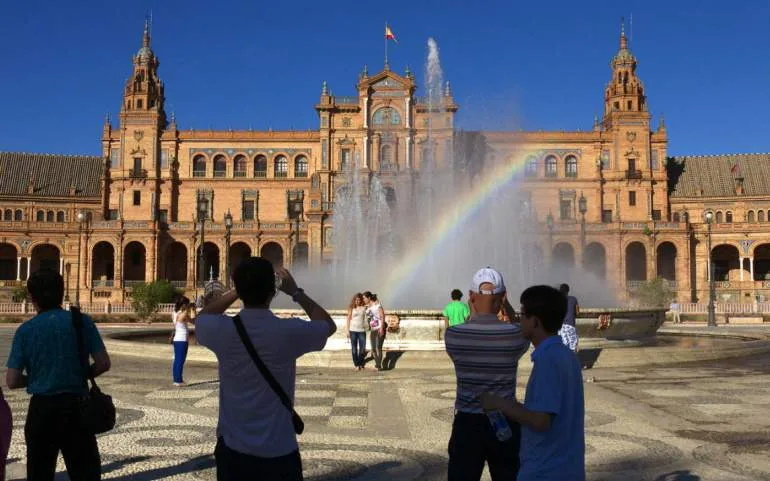
Córdoba is a city that asks you to slow down and pay attention. It does not sell itself with a coastline or a skyline; it offers something rarer — the layered history of a place that was, a thousand years ago, one of the largest and most learned cities on earth, and that still wears that inheritance in its stones. For the growing number of expats and remote workers drawn to it, the appeal is precisely this depth: an authentic, unhurried, deeply Spanish life, in a city small enough to feel like your own yet rich enough to keep surprising you. This guide walks you through why people move here, where they settle, what it costs in broad terms, which immigration route usually fits, and the first legal steps once you land — with one honest caveat about the summers built in from the start.
On this page
Why expats choose Córdoba Who Córdoba suits — and who it doesn't The best areas — and who each suits Cost of living, honestly Which visa or route fits a Córdoba move Healthcare: public and private Getting around Lifestyle and food Your first practical steps Frequently asked questions
"Córdoba appeals to people who want authentic inland Andalucía at a very affordable cost of living, which makes it a natural fit for the non-lucrative visa. I'll help you show the income and cover you need, so you can settle into life around the Mezquita with your status secure."
— Lola Jurado · Immigration lawyer, Ilustre Colegio de Abogados de Málaga (nº 10907)
Why expats choose Córdoba
The heart of Córdoba is the Mezquita-Catedral, and no description quite prepares you for it. A forest of red-and-white striped arches from the tenth-century mosque, with a Renaissance cathedral grown up inside it, it is one of the most extraordinary buildings in Europe and the anchor of a UNESCO World Heritage old town. Around it spreads the Judería, the old Jewish quarter, a maze of whitewashed lanes and hidden squares, and below it the Roman bridge crosses the Guadalquivir much as it has for two millennia. To live here is to have all of this as your everyday backdrop.
What makes Córdoba distinctive among Andalusian cities is how genuinely lived-in it feels. It is smaller and quieter than Seville, less openly touristic than Granada, and it has kept a strong sense of its own identity. The international community is real but still modest — you will find other remote workers and expats, but you will not be surrounded by them, and daily life is conducted in Spanish. For many people that is the whole point: a chance to integrate properly rather than float in an English-speaking bubble.
The city's most beloved tradition captures its character perfectly. Each May, during the Fiesta de los Patios, families throw open their private courtyards — cool, tiled, spilling over with geraniums and jasmine — and the whole city becomes a competition of flowers and hospitality. It is UNESCO-recognised in its own right, and it tells you everything about a place that prizes beauty, neighbourliness and the small pleasures of home.
Córdoba is not a city you pass through. It is one you settle into — patient, historic, and generous to anyone willing to live at its pace.
And then there is the practical trump card that has quietly transformed Córdoba's appeal: the AVE high-speed rail. The city sits on Spain's busiest fast line, which means Madrid is only about an hour and three-quarters away, Seville barely forty minutes, and Málaga around an hour. Few cities of Córdoba's size and price anywhere in Europe are so effortlessly connected. You can live affordably in a historic Andalusian city and still reach the capital, the coast or a major airport in less time than many people spend commuting across a single metropolis.
Who Córdoba suits — and who it doesn't
It is worth being clear-eyed about fit, because Córdoba rewards some people enormously and frustrates others. It suits culture-lovers who want history and beauty woven into ordinary days; remote workers and freelancers chasing genuine value, where a modest income stretches remarkably far; and anyone serious about Spanish-language immersion, since the city's smaller international scene all but requires — and richly rewards — learning the language.
It is less ideal for beach-seekers. Córdoba is firmly inland, and while the coast is reachable by train for weekends, this is not a place for anyone whose idea of Spanish life centres on the sea. And the summers demand honesty: Córdoba is regularly among the hottest cities in all of Europe, with July and August afternoons that can be genuinely intense. Life adapts sensibly around the heat — early starts, shaded patios, long lunches, siestas and cooler evenings — and spring and autumn are glorious. But the summer is the single feature every newcomer should weigh soberly before committing.
The best areas — and who each suits
Córdoba is a compact city, and where you settle shapes your daily life more than the map might suggest. Here are the areas expats tend to gravitate toward, and the kind of person each tends to suit.
| Area | Character | Best for |
|---|---|---|
| Centro / Judería | The historic core; whitewashed lanes, patios and squares around the Mezquita, atmospheric but with older housing stock and summer visitors. | Those who want history on the doorstep and to live inside the storybook old town. |
| El Brillante | The city's upscale district on the higher, slightly cooler slopes to the north; leafy streets, villas and larger modern homes. | Families and anyone wanting space, quiet and a more residential, greener setting. |
| Ciudad Jardín | A pleasant, well-established residential neighbourhood with a real local feel, parks, shops and good value. | Everyday living, remote workers and those who want convenience and authenticity over tourist bustle. |
If you crave the romance of the old town and don't mind older buildings and the flow of visitors, the Centro and Judería are unmatched. Families and anyone prioritising space, calm and a touch of green often prefer El Brillante on the higher ground. And for a grounded, well-connected daily life at excellent value, Ciudad Jardín and similar residential districts are where a great many locals and settled expats actually live. As anywhere, it is worth renting for a few weeks and walking the streets at different times of day — and in different seasons — before signing a longer lease.
Cost of living, honestly
This is where Córdoba shines most brightly. Among Spanish cities it is one of the most affordable places you could reasonably choose to live, and against the global cities most expats arrive from, the difference can be startling. Rent, everyday services, eating out and the general cost of a comfortable life all sit well below not only London, New York or the major hubs of Asia, but below Madrid, Barcelona and even Seville. For a remote worker earning a foreign salary, or a retiree on a fixed income, that gap is often the deciding factor.
We deliberately avoid quoting exact figures — rents and prices move over time and vary a great deal by street, size and condition — but the pattern is consistent and dependable: Córdoba is very low-cost by Spanish standards and dramatically so by international ones. The practical upshot is quality of life. The same budget that buys a cramped existence in a bigger city can buy a spacious flat, unhurried days, and the small daily luxuries — a good lunch out, a taxi across town — that make a place feel generous rather than grinding.
Which visa or route fits a Córdoba move
Because Córdoba draws remote workers, value-seekers, retirees and language students rather than corporate transferees, the immigration routes that matter here are the ones built around independent income, passive income and study. The right choice depends entirely on your situation, but most people moving here fall into a few clear groups.
- Remote workers and freelancers — if your income comes from clients or an employer abroad and you can work from anywhere, the digital nomad visa is often the cleanest route into a Córdoba life, and it is a natural fit for a city whose whole appeal is affordable, well-connected living for people who earn elsewhere.
- Retirees and those on passive income — if you are retired or can support yourself from savings, pensions or investments without working in Spain, the non-lucrative visa is usually the right path, and Córdoba's low costs make it especially comfortable to satisfy and sustain.
- Students and language learners — if you are coming to study Spanish, enrol at the University of Córdoba or take an extended course, the student visa is the route, and the city's immersive, authentically Spanish environment is an ideal place to learn.
- Families — most of the routes above allow you to bring your spouse and children, and the choice usually flows from the main applicant's situation. Getting the primary application right is what unlocks the family's move.
The route that fits a Córdoba move usually follows independent means: remote income, passive income, or study. Get the primary application right and the family follows.
Not sure which of these describes you? Our visa eligibility quiz is a quick, no-obligation way to narrow it down before you speak to anyone. The categories overlap more than people expect, and the best route is rarely obvious from the outside — which is exactly why an early conversation is worth having.
Healthcare: public and private
Healthcare is one of the quiet reassurances of a Córdoba move. Spain's public system is well regarded, and the city is served by the Hospital Universitario Reina Sofía, a large teaching hospital that handles complex care for the whole province and beyond. Once you are legally resident and registered, the public system becomes the backbone of your care, with local health centres spread across the city's neighbourhoods for everyday needs.
Alongside it sits a private sector, and many expats carry private insurance for speed, choice of specialist and, where available, English-speaking service. Private clinics and hospitals operate in the city, and appointments tend to be quicker for routine matters. In practice, a great many international residents use both — the public system as their foundation and a private policy for convenience. For anything highly specialised, the fast train to Seville or Málaga also puts larger centres within easy reach.
Getting around
Córdoba is a walkable, human-scale city, and that is one of its great pleasures. The historic core is best explored on foot, and much of daily life can be conducted without a car. A local bus network covers the wider city, taxis are inexpensive, and cycling is increasingly viable on the flatter, riverside stretches. Many residents find a car more useful for weekend escapes into the countryside than for city life itself.
The real transport story, though, is the AVE. Córdoba's station puts you on Spain's premier high-speed line, with Madrid roughly an hour and three-quarters away, Seville around forty minutes and Málaga about an hour. That last connection matters especially: Málaga's airport, one of the busiest in Spain with nonstop routes across Europe and beyond, becomes a comfortable train ride away, and Seville's airport offers another option. For a city of Córdoba's size and cost, this reach is genuinely exceptional — you get affordable, authentic living without the isolation that usually comes with it.
Lifestyle and food
Life in Córdoba runs on the warm, sociable Andalusian clock: late lunches, evening paseos through the old town, terraces that fill as the heat softens, and a rhythm that adapts gracefully to the seasons. It is an outdoor, face-to-face culture, and newcomers who make the effort to join in — through neighbourhood bars, the market, a local peña or a Spanish class — tend to build real friendships surprisingly fast.
The food is a highlight in its own right. Córdoba's signature dish is salmorejo, a thick, cool, garlicky tomato cream topped with egg and jamón — the perfect answer to a hot day — and around it the city offers a proud tradition of tapas, oxtail stew, local wines from the Montilla-Moriles region and superb olive oil from the surrounding countryside. Flamenco runs deep here too, part of Andalusia's living cultural fabric rather than a show put on for visitors. Add the festivals — the patios in May, Holy Week, the Feria — and the countryside and historic towns within easy reach, and you have a lifestyle that is rich, rooted and remarkably affordable.
Your first practical steps
Once your route is chosen and your move underway, a short sequence of administrative steps turns you from a visitor into a settled resident. None is difficult on its own, but the order and the paperwork matter, and getting them right early saves a great deal of friction later.
- NIE — the foreigner's identification number is the key that unlocks almost everything: opening a bank account, signing a lease, paying tax. Securing it is usually the very first practical task.
- Empadronamiento — registering your address at the local town hall (the padrón) is a simple but important step that underpins healthcare registration and later residency formalities.
- TIE — the physical residence card that evidences your legal status in Spain. Once your visa or authorisation is approved, you complete the process by attending an appointment, giving fingerprints and collecting the card.
Alongside these, you will typically open a Spanish bank account, arrange healthcare cover, and register with the tax authorities as your circumstances require. Done in the right order, the whole process is a matter of weeks rather than a source of stress — and it is precisely the part where a dedicated lawyer for your immigration matters earns their keep, by sequencing the steps and handling the appointments so you can focus on settling in.
Frequently asked questions
Just how hot are Córdoba's summers?
Very hot — the city is regularly among the hottest in Europe, with intense July and August afternoons. Life adapts around it with early mornings, shaded patios, siestas and cool evenings, and spring and autumn are wonderful. But if extreme summer heat is a dealbreaker for you, weigh it honestly before moving.
Is Córdoba too small or isolated for expats?
It is smaller and quieter than Seville or Granada, with a modest but growing international community. What offsets any sense of isolation is the AVE: Seville is about forty minutes away, Madrid under two hours and Málaga around an hour, so bigger cities, culture and an international airport are all within easy reach.
Do I need to speak Spanish to live in Córdoba?
More than in the big expat hubs, yes — daily life here is conducted in Spanish and the English-speaking scene is small. Many people see that as the appeal: it is an excellent place for genuine immersion, and effort with the language is warmly received.
How do I know which visa route fits me?
It depends on your income, work and plans. The digital nomad, non-lucrative and student routes cover most people moving to Córdoba — our quiz and an early conversation will point you to the right one.
General information, not legal advice. Neighbourhood character, costs, climate and services change over time and vary by circumstance, and must be confirmed for your situation. If you are also weighing nearby cities, see our guides to moving to Seville and moving to Granada, or read about the non-lucrative (retirement) visa. Questions? Get in touch.