
One of the first practical questions for anyone planning a move from the United States to Spain is a surprisingly simple one: where do I actually apply? A long-stay national visa cannot be requested from just any Spanish consulate. It must be filed at the consulate that has jurisdiction over your state of legal residence in the US — and for people living across the south-central part of the country, that consulate is very often the one in Houston. Getting this right at the outset saves weeks of frustration, because applying at the wrong consulate is one of the most common reasons a file is refused or returned before it is even reviewed.
On this page
Which states the Houston consulate serves Why you must confirm current jurisdiction Which visas you can apply for The non-lucrative (retirement) visa The digital nomad visa The student visa Appointments and what to bring Apostille, FBI check and sworn translation Apply where you are legally resident Common mistakes to avoid Frequently asked questions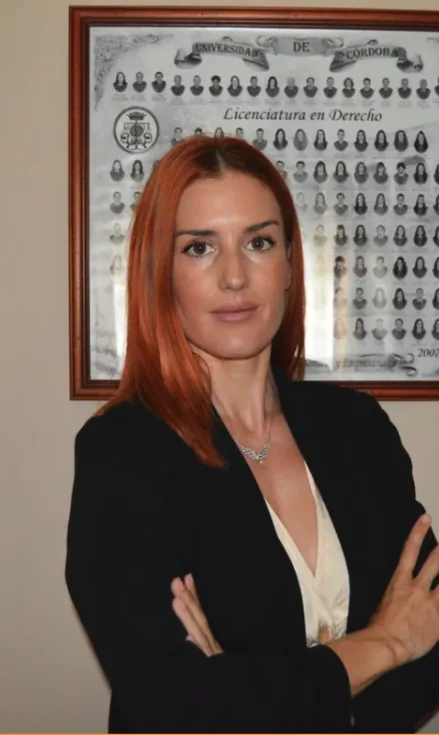
"If you live in Texas or the south-central states, Houston is very likely your filing point — but jurisdiction shifts, so I confirm it fresh for your address. Getting that right at the start spares you a returned file later."
— Lola Jurado · Immigration lawyer, Ilustre Colegio de Abogados de Málaga (nº 10907)
Which states the Houston consulate serves
The Consulate General of Spain in Houston is one of Spain's career consulates in the United States, and its role is to serve Spanish nationals and visa applicants living within its assigned consular district. That district is built around Texas and a cluster of neighbouring south-central states. In practice, applicants resident in this part of the country — think of the states surrounding Texas across the south-central US — will normally be directed to Houston rather than to a consulate on the coasts.
The important principle is that jurisdiction is assigned by state of residence, not by where you happen to be at the moment or where you would find it more convenient to travel. Spain divides the entire United States among its consulates so that every resident has exactly one competent office. Houston covers its slice of the south-central states; other consulates cover the north-east, the west coast, the south-east, and so on. Your task is simply to establish which office covers the state where you legally live.
Why you must confirm current jurisdiction
Consular districts are not fixed forever. Spain occasionally reassigns states between consulates, opens or reorganises offices, and updates the list of territories each consulate covers. For that reason, this page deliberately does not publish a hard, state-by-state map that could go out of date. Instead, the safe and correct step is always the same: check the exact, current jurisdiction on the Houston consulate's own official website before you book anything.
Never assume a consulate's district from an old blog post or a friend's experience. The only authoritative source is the consulate's current official page, and it takes a minute to confirm.
If, when you check, you find that your state has been assigned to a different consulate, that is where your application belongs — even if Houston is geographically closer. Filing at the correct office is not a formality; it is a condition of your application being accepted at all.
Which visas you can apply for
The Houston consulate processes the full range of long-stay national visas that Spain issues for people intending to live in the country for more than ninety days. For our clients, three of these come up most often, and each is a genuinely different route with its own conditions:
- Non-lucrative (retirement) visa — for those who can support themselves from savings, pensions or passive income without working in Spain.
- Digital nomad visa — for remote workers and certain freelancers who earn their income from outside Spain.
- Student visa — for those enrolled in a recognised course of study, language programme or research in Spain.
Because each visa answers to a different set of rules, the checklist you prepare for Houston depends entirely on which one you are applying for. It is worth understanding the broad shape of each before you decide.
The non-lucrative (retirement) visa
The non-lucrative visa is the classic route for retirees and financially independent people who want to live in Spain without taking up employment there. The core of the application is demonstrating stable, sufficient means to support yourself — and any accompanying family — together with private health insurance and a clean background. Because this route does not permit you to work in Spain, the evidence focuses on your resources rather than on a job or a client.
If you are considering this path through Houston, our dedicated walk-through of the requirements and process is set out in the guide to applying for the retirement visa in Spain. That guide explains what the consulate looks for and how to assemble a file that stands up to scrutiny.
The digital nomad visa
The digital nomad visa was introduced to attract remote professionals who work for companies or clients based outside Spain. It suits employees who can work from anywhere and, in certain cases, freelancers with a limited share of Spanish clients. The evidence centres on the nature and continuity of your remote work, your income, and your relationship with foreign employers or clients. For applicants in the south-central states, this is filed through Houston in the same way as any other national visa, subject to the same jurisdiction rules.
The student visa
The student visa covers enrolment in a recognised programme — a university course, a long language programme, a research placement or similar study in Spain. Applicants must show admission to the programme, adequate means for the stay, health cover and, depending on the length of the course, the relevant background documentation. Like the other routes, it is filed at the consulate with jurisdiction over your US state of residence, which for much of the south-central region means Houston.
Appointments and what to bring
Long-stay visa applications at Spanish consulates are generally handled by appointment, and the applicant usually has to appear in person to submit the file and provide biometric data. Appointment availability can be limited, so it is wise to plan well ahead of your intended departure and to secure a slot as early as you reasonably can.
While the precise checklist depends on your visa, an application file typically brings together several categories of document:
- The completed national visa application form and recent passport photographs.
- A passport valid for the required period, with the necessary blank pages.
- Evidence specific to your visa — proof of means for the non-lucrative visa, proof of remote work and income for the digital nomad visa, or a letter of admission for the student visa.
- Private health insurance meeting Spanish requirements, where applicable.
- A background check and civil-status documents, properly legalised and translated.
Because the exact requirements — and the way documents must be presented — are set by the consulate and can be updated, you should always cross-check your final checklist against the current instructions before your appointment. A file that is complete and correctly ordered is far more likely to move smoothly.
Apostille, FBI check and sworn translation
Three technical steps trip up more applicants than almost anything else, and they apply across most long-stay routes. Understanding them early is one of the best investments you can make.
First, the background check. US applicants are commonly asked for an FBI Identity History Summary — the federal criminal record check — rather than only a state-level report, because Spain generally wants a nationwide check covering your time of residence. This document has to be obtained, and then it has to be legalised.
Second, the apostille. Because both the United States and Spain are parties to the Hague Apostille Convention, US public documents intended for use in Spain are legalised by attaching an apostille rather than going through full consular legalisation. An FBI check, and other public documents such as birth or marriage certificates where they are required, typically need an apostille from the competent US authority before Spain will accept them.
Third, the sworn translation. Documents in English generally must be translated into Spanish by an official sworn translator recognised for use before the Spanish authorities. An ordinary translation is not enough; the translation must carry the sworn translator's certification.
For the non-lucrative route in particular, the precise list of what has to be apostilled and translated is easy to underestimate. Our note on the documents needed for the non-lucrative visa in Spain breaks the file down item by item so nothing is missed before your Houston appointment. Before booking travel to the consulate, use a document validity calendar and a pre-submission file review to catch stale certificates, missing apostilles and policy wording problems while there is still time to fix them.
Apply where you are legally resident
It is worth restating the single most important rule, because so much depends on it: you apply at the consulate that has jurisdiction over the state where you are legally resident. Convenience, proximity and citizenship of a particular country do not override this. If you live within Houston's district, Houston is your consulate; if you recently moved and your legal residence is now in a state assigned elsewhere, your application belongs at that other consulate instead.
Consulates will normally ask for evidence that you genuinely reside within their district — a driver's licence, a lease, utility bills or similar proof tied to your address. Attempting to apply at a consulate outside your district, or in a district where you cannot show residence, is a reliable way to have a file rejected. When your residence status is in transition, it is especially worth confirming your position before you book.
Common mistakes to avoid
Most problems with consular applications are avoidable and come down to a handful of recurring errors. Being aware of them puts you ahead of many applicants:
- Applying at the wrong consulate — the most common and most costly mistake. Always confirm jurisdiction from the official site first.
- Skipping the apostille — submitting an FBI check or civil document that has not been apostilled, so it cannot be accepted.
- Using a non-sworn translation — an ordinary translation instead of a certified sworn translation into Spanish.
- Getting the order wrong — translating before apostilling, so the apostille is not covered by the sworn translation.
- Leaving appointments too late — underestimating how far in advance slots must be booked.
- Relying on outdated checklists — using an old list rather than the current requirements for your visa.
None of these is complicated in itself, but together they explain the great majority of delayed and refused files. Preparing carefully — and, where a route is complex, taking dedicated advice on it — is what turns a stressful process into an orderly one.
Frequently asked questions
Does the Houston consulate serve my state?
It serves a set of south-central states centred on Texas, but jurisdiction can change. Confirm the current, exact list on the consulate's own official website before booking.
Can I apply in Houston if I live in another consulate's district?
No. You must apply at the consulate with jurisdiction over your state of legal residence, even if Houston is geographically closer.
Do I need an FBI check or a state check?
Spain generally expects a nationwide FBI Identity History Summary, apostilled and sworn-translated. Confirm the exact requirement for your visa with the consulate.
What is the right order for apostille and translation?
Usually: obtain the document, apostille it, then have it sworn-translated so the translation covers the apostille too.
General information, not legal advice. Consular jurisdiction, appointment procedures and document requirements are set by the Spanish authorities, can change, and must be confirmed on the relevant consulate's official website for your circumstances and the current period.