
If you live in New England and plan to move to Spain, one of the first practical questions is where you actually submit your visa application. Long-stay Spanish visas are not applied for in Spain — they are applied for before you leave, at the Spanish consulate that covers your place of residence in the United States. For most people living in the north-east of the country, that consulate is the Consulate General of Spain in Boston. This page explains, in general terms, which applicants the Boston consulate serves, which visas you can apply for there, how appointments work, and the document steps — apostille, FBI check and sworn translation — that catch so many applicants out.
On this page
Who the Boston consulate serves Which visas you can apply for Appointments and how they work What to bring to your appointment Apostille, FBI check and sworn translation Apply where you actually live Common mistakes to avoid How we help New England applicants Frequently asked questions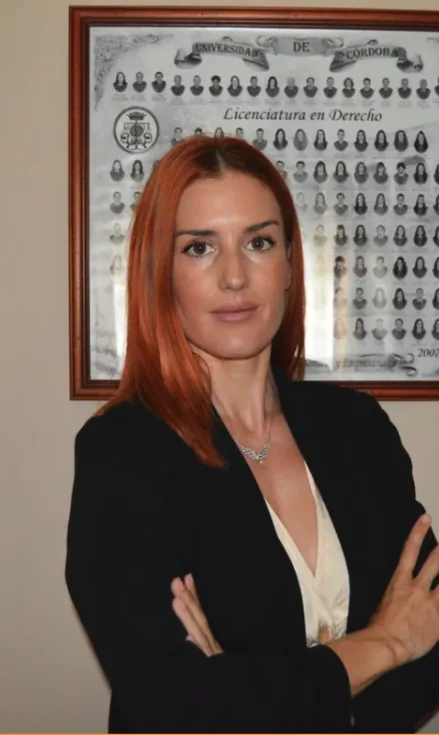
"If you live across New England, Boston is almost certainly your consulate — and filing at the wrong one is a common, avoidable setback. I confirm your jurisdiction first, then line up the apostille, FBI check and sworn translation before you book."
— Lola Jurado · Immigration lawyer, Ilustre Colegio de Abogados de Málaga (nº 10907)
Who the Boston consulate serves
Spain's diplomatic network in the United States is divided into consular districts, and each consulate handles applications from people who live within its district. The Consulate General of Spain in Boston is the office responsible for much of the New England region. In broad terms this means residents of Massachusetts and neighbouring states in the north-east, though the precise list of states and counties assigned to each consulate is set by the Spanish authorities and can change.
Because jurisdiction is defined by where you are officially resident — not by where you happen to be travelling or where it is most convenient to book — it is essential to confirm the exact current jurisdiction on the Boston consulate's own official website before you make any plans. If your state is not in fact assigned to Boston, your application would need to go to whichever consulate does cover your address, and applying to the wrong office is one of the most common reasons appointments are refused or applications returned.
Which visas you can apply for
The Boston consulate processes long-stay national visas — the category you need when you intend to live in Spain for more than 90 days, rather than simply visit. Three of the most common routes for people relocating from the United States are:
- Non-lucrative (retirement) visa — for people who can support themselves in Spain from savings, pensions or passive income without working in the Spanish labour market. This is a popular route for retirees and the financially independent. See our guide to the non-lucrative visa.
- Digital nomad visa — for remote workers and freelancers who earn their income from companies or clients outside Spain and want to live there while continuing that work.
- Student visa — for those enrolled in a recognised study, research or training programme in Spain, typically lasting more than 90 days.
Each of these visas has its own eligibility conditions, income or enrolment requirements and — importantly — its own document checklist. A document that satisfies one route may not satisfy another, so it is worth confirming precisely which category fits your situation before you assemble your file.
Appointments and how they work
Spanish consulates operate an appointment system: you generally cannot simply walk in and submit a long-stay visa application. Instead you book a slot in advance through the consulate's official channels, attend in person on the assigned date, and hand over your complete file to a consular officer. In many cases the applicant must attend personally, because biometric data and signatures are collected at the appointment.
Appointment availability varies with demand and can be limited at busy times of year, so it is sensible to begin preparing your documents early rather than waiting until you have secured a slot. Aim to have your paperwork substantially ready before your appointment date, because incomplete files are frequently the reason an application is delayed. When you book, follow only the instructions published on the consulate's official website — never rely on unofficial booking services.
What to bring to your appointment
The exact checklist depends on the visa category and on the consulate's current requirements, which you must confirm from the official source. As a general orientation, long-stay applications from the United States typically involve documents along these lines:
- The correct, fully completed national visa application form for your category, signed.
- A valid passport with sufficient remaining validity and blank pages, plus passport-style photographs.
- Evidence supporting your specific route — for example proof of sufficient means and income for the non-lucrative visa, evidence of remote work and earnings for the digital nomad visa, or an acceptance letter for the student visa.
- Private health insurance meeting the requirements for your category.
- A criminal-record certificate (commonly a US FBI background check for applicants who have lived in the United States), properly legalised and translated.
- Any medical certificate, proof of accommodation or additional evidence the consulate specifies.
Bring originals together with the copies the consulate asks for, and organise the file in the order requested. A tidy, correctly ordered application makes the appointment far smoother and reduces the risk of being turned away for a missing item. For a fuller walk-through of the paperwork behind one common route, see our note on documents for the non-lucrative visa.
Apostille, FBI check and sworn translation
The document steps that trip up the most applicants are not about gathering the papers — it is about making them legally usable in Spain. Three interlocking steps matter here.
Apostille. Both Spain and the United States are parties to the Hague Apostille Convention, so US public documents intended for use in Spain generally need an apostille — an internationally recognised certification of the document's origin. Federal documents and state documents follow different apostille routes in the United States, so it is important to know which authority issues the apostille for each document you hold.
FBI background check. Many visa categories require a criminal-record certificate. For people who have lived in the United States this is commonly the FBI Identity History Summary. Because it is a federal document, it typically requires a federal-level apostille, and consulates usually expect it to be recent — so timing matters, since these certificates and their legalisation can take time to obtain.
Sworn (official) translation. Documents in English generally must be translated into Spanish by a translator recognised for official purposes — a traducción jurada — so that the Spanish authorities will accept them. An informal or machine translation is usually not sufficient. The order of operations matters: as a rule the document is issued, then apostilled, and the translation covers both the document and the apostille.
Getting these three steps in the right sequence, with enough validity left on time-sensitive certificates, is where careful preparation pays off. We cover the mechanics in detail in our apostille and sworn translation guide. For non-lucrative visa applicants, it is also worth running the whole file through a pre-submission file review and a document validity calendar before the Boston appointment, so the FBI check, medical certificate, insurance and translations are still current on the day you file.
Apply where you actually live
It is worth repeating the single most important rule, because it governs everything else: you apply for your Spanish long-stay visa at the consulate that covers your state of residence. You cannot choose a consulate simply because its appointments are easier to get, or because you will be passing through that city. If Boston is the consulate for your New England address, that is where your application belongs; if your address falls within a different consular district, the Boston consulate will direct you elsewhere.
This matters for planning. If you are moving between states, or your official residence is ambiguous, resolve where you are genuinely resident before you book, and make sure your supporting documents — such as proof of address — are consistent with the consulate you apply to. Consistency across your file is what gives a consular officer confidence that the application is properly placed.
Common mistakes to avoid
- Assuming jurisdiction from memory. Confirm on the official site which states Boston currently serves before you book anything.
- Translating before apostilling. The apostille should be in place first, so the sworn translation can cover it too.
- Letting the FBI check go stale. Order it with the timing of your appointment in mind, since consulates often expect a recent certificate.
- Mixing up visa categories. The document list for the non-lucrative visa is not the same as for the digital nomad or student visa.
- Using unofficial booking or information services. Follow only the consulate's official website for appointments and requirements.
How we help New England applicants
Applying from New England is very manageable once the sequence is clear, but the details — jurisdiction, the right document list for your category, the apostille order, the sworn translation and the timing of the FBI check — are exactly where avoidable mistakes creep in. As a Málaga Bar–registered firm, we help applicants from the United States assemble a clean, correctly legalised file for the Spanish consulate, and we prepare the Spain-side steps that follow once the visa is granted.
We do not replace the consulate's own official instructions — you should always follow those — but we make sure your file is coherent, your translations and apostilles are in order, and your chosen route genuinely fits your circumstances before you attend your appointment. If you are unsure which visa suits you, or whether Boston is your consulate, the review below is a good place to start.
Frequently asked questions
Is the Boston consulate the right one for me?
It serves applicants resident across New England, including Massachusetts and neighbouring states. Because districts can change, confirm the current jurisdiction on the consulate's official website before booking.
Can I apply for a non-lucrative visa in Boston?
Yes, if Boston is the consulate for your state of residence. It also handles other long-stay routes such as the digital nomad and student visas, each with its own requirements.
Do I need an FBI background check?
Many visa categories require a criminal-record certificate, commonly the FBI Identity History Summary for people who have lived in the United States. It usually needs a federal apostille and a sworn translation.
Can I choose an easier consulate?
No. You must apply at the consulate that covers your registered state of residence, not the one with the most convenient appointments.
General information, not legal advice. Consular jurisdictions, visa requirements and document rules change and are set by the Spanish authorities — always confirm the current requirements and the states served on the official website of the Consulate General of Spain in Boston for your circumstances.