
Many US applicants ask how much the Spanish non-lucrative visa "costs" and how long it "takes." The honest answer is that there are two separate calendars and two separate budgets. The official visa fee is small compared with the full relocation budget, and the official decision period is only one part of the full timeline. The expensive mistakes happen when applicants budget only for the consular money order and plan the move as if the file will be approved on a fixed date.
This guide gives a realistic planning model for a US citizen applying for the non-lucrative visa. It does not replace the checklist of your own Spanish consulate, and every fee should be confirmed before filing. It does show the hidden costs, the order in which they arrive, and where a delay in one document can push the whole move by weeks or months.
On this page
The realistic timeline The real cost buckets Example budget for a single applicant Couples and families When each cost is paid Timing mistakes that get expensive Frequently asked questions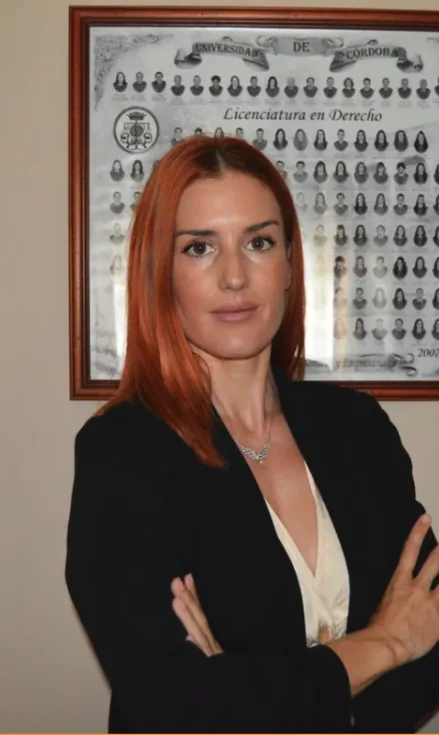
"The cheapest visa file is the one that is complete, coherent and timed correctly. Most expensive problems start with a document ordered too early, a fee checked too late, or a move date fixed before approval."
— Lola Jurado · Immigration lawyer, Ilustre Colegio de Abogados de Málaga (nº 10907)
The realistic timeline
For a well-prepared US applicant, a realistic end-to-end planning window is usually four to seven months from the first document order to the first entry into Spain. Some files move faster. Others slow down because the applicant cannot find a BLS appointment, a document expires before the appointment, the consulate asks for more evidence, or the applicant waits too long to collect the visa after approval.
The first phase is preparation, normally four to ten weeks. This is where you confirm the correct consular jurisdiction — the file is filed abroad, so you cannot start it from inside Spain as a tourist — collect financial evidence, choose compliant Spanish private health insurance, obtain the FBI Identity History Summary, send it for federal apostille, schedule the medical certificate, and arrange sworn translations. The FBI check, apostille and translations are the critical path because they involve outside offices and courier time.
The second phase is the BLS and consular phase. The appointment may be the bottleneck, especially in busy jurisdictions or during seasonal peaks. Once a complete file is submitted, consular guidance commonly refers to a decision period that can run up to about three months, although many clean files are resolved faster. That clock starts after submission of the complete file, not when you start preparing documents. If the consulate requests more evidence or asks for a personal interview, the practical timeline extends.
The third phase is approval, collection and travel. After approval, you still need the passport back with the visa, you need to check the visa sticker, and you need to enter Spain inside the visa validity window. After arrival, the practical calendar continues: the TIE appointment and fingerprints should be organized promptly, and the first-month window after entry matters. For that stage, see the first 90 days checklist and the TIE appointment guide.
The real cost buckets
The visa fee itself is only one budget line. A US applicant should usually plan for seven cost buckets:
- Identity and criminal-record documents. The FBI charges a fixed fee for the Identity History Summary request, and fingerprinting providers charge their own fee. Channelers, if used, add convenience costs.
- Apostilles and couriers. The FBI check is a federal document, so its apostille goes through the U.S. Department of State, not a state Secretary of State. State documents, if required, may need state apostilles. Tracked shipping both ways often costs more than the government fee.
- Sworn translations. FBI checks, apostilles, medical certificates and civil-status documents commonly need sworn translation into Spanish unless the consulate accepts a bilingual form. Families multiply this cost quickly.
- Medical certificate. Some physicians charge only an office visit; others charge extra for letterhead, licensing details or notarization. Timing matters because many consulates want a recent certificate.
- Private health insurance. This is usually the largest pre-approval cost. The policy must be suitable for residence in Spain, normally with full coverage and no co-payments. Medicare and ordinary travel insurance do not solve this requirement.
- BLS and consular fees. US citizens applying for the non-lucrative visa should confirm the current consular fee for their jurisdiction. Recent 2026 consular/BLS pages show US non-working residence visa fees around $140, often with a separate residence-permit fee line and a BLS service fee. Fees change and are non-refundable.
- Arrival and TIE costs. After landing, budget for TIE photos, the Modelo 790 fee, copies, local appointments, transport and any help needed to complete the resident-card stage.
Example budget for a single applicant
The table below is a planning model, not a quote. It assumes a single US applicant with a clean file, no prior refusal, ordinary document needs and no professional legal fee included. Your number can be lower or higher depending on the consulate, insurance age band, medical provider, translation length, shipping choices and whether you use paid document services.
| Cost item | Typical planning range | Notes |
|---|---|---|
| FBI Identity History Summary | About $18 plus fingerprinting | Per person; channeler or fingerprint vendor costs are extra. |
| Federal apostille for FBI check | Government fee plus tracked courier | U.S. Department of State apostille, not a state apostille. |
| Medical certificate | Often $50-$250+ | Depends on doctor, visit type and any notary requirements. |
| Sworn translations | Often $40-$120+ per document | Length and urgency drive price; families multiply documents. |
| Passport photos, copies, mail | Often $30-$150+ | Small items that add up during filing. |
| Consular visa/residence fees | Confirm current fee; recent US NLV pages show about $140 plus possible residence-fee line | Usually by money order; non-refundable. |
| BLS service/SMS/courier add-ons | Confirm at appointment | Recent BLS national-visa pages show a service fee line; optional add-ons vary. |
| Private health insurance | Often hundreds to several thousand dollars per year | Age, coverage and insurer matter. This is usually the largest pre-move item. |
| TIE stage in Spain | Modest government fee plus photos/copies/transport | Not expensive, but it is still part of the real process. |
For many single applicants, the non-insurance hard costs are in the hundreds of dollars. Once compliant insurance, travel to the BLS center, flights, temporary accommodation and any professional support are included, the practical pre-move budget is much higher. A retired couple should not simply double only the consular fee; they should double or multiply the documents, translations, FBI checks and insurance lines too.
Couples and families
Family applications need extra care because they create two budget pressures at once. First, the income threshold rises with dependants, so the financial file must show enough stable means for the household. Second, document costs multiply. Each adult usually needs a criminal-record certificate, apostille and translation. Marriage and birth certificates may need apostilles and sworn translations. If one applicant's document expires, it can hold up the whole family package.
Families also pay more for private health insurance and face more logistical risk around appointments and timing. If one spouse is still working remotely, owns a business, or has an income source that looks active rather than passive, the issue is not just cost but route choice. Compare the digital nomad vs non-lucrative visa before spending on a file that may need a different strategy.
When each cost is paid
The cash does not go out all at once. Early costs are research, document ordering, FBI check, fingerprints and apostille shipping. Mid-process costs are translations, medical certificate, insurance and any professional review. Filing costs arrive at BLS or the consulate, usually in the form required by that office. After approval, travel and first-arrival costs take over: flights, temporary housing, TIE appointment, local paperwork, bank setup and the costs of settling in Spain.
This timing matters because some applicants buy the wrong thing too early. For example, ordering a medical certificate before you have any realistic BLS appointment window can make it expire. Buying a health policy with an inappropriate start date can create a mismatch between the visa file and the move. Paying for non-refundable flights before approval can turn an administrative delay into a financial loss. A better approach is to build a document calendar first, then place each cost where it belongs.
Timing mistakes that get expensive
The most expensive timing mistake is starting with the easy documents and leaving the slow ones until the end. The FBI check, federal apostille and sworn translation sequence should be mapped early. The correct order is especially important: if the apostille must be translated, translate after the apostille is attached, not before. Our FBI apostille guide explains that sequence in detail.
The second mistake is assuming the appointment will appear exactly when you need it. BLS availability varies by city and season. If the appointment comes late, short-life documents can expire. If it comes early, the file may not be complete. That is why a serious NLV document calendar should be built backwards from the target filing window, with expiry dates written next to every document.
The third mistake is not budgeting for a request for additional evidence. If the consulate asks for clearer bank records, a better income explanation, an insurance correction or a personal interview, you may need urgent translations, professional help or new documents. The money is not the main issue; the delay can collide with housing, flights, school plans or a home sale. Keep a reserve of time and cash for one round of correction.
Finally, do not forget that approval is not the end of the process. You still need to collect the passport, check the visa, enter Spain correctly and apply for the TIE. The pages on visa collection and first entry and leaving Spain before the TIE is ready cover the post-approval traps that can affect travel plans.
Frequently asked questions
How early should I start preparing the non-lucrative visa?
For a US applicant, four to seven months before the intended move is a practical planning window. Start earlier if you have a family file, unusual income, a prior refusal, or a consulate where appointments are scarce.
Is the visa fee the main cost?
No. The visa fee is usually a small part of the total. Insurance, translations, apostilles, medical certificates, travel to BLS, flights, housing and professional support can matter much more.
Can a couple share documents to save money?
Some household evidence can be shared, but each adult often needs their own criminal-record certificate, apostille, translation and medical certificate. Marriage documents may also need apostille and translation.
Should I pay for professional help?
It depends on risk. A clean retiree file may be manageable alone. Business ownership, active income, family applications, strict consular practice, document problems or a prior refusal make a lawyer consultation more valuable.
What should I confirm before filing?
Confirm the current consular fee, payment method, BLS service fee, document validity windows, medical-certificate wording, insurance requirements, translation rules and whether your consulate has local variations.
Sources reviewed July 2026: Spanish Ministry of Foreign Affairs consular pages for the non-lucrative / non-working residence visa, BLS Spain Visa USA national-visa fee pages, FBI Identity History Summary Check fee guidance, and U.S. Department of State authentication/apostille guidance. General information only, not legal advice; fees, payment methods, document validity and local practice can change by consulate.