
The non-lucrative residence visa lets non-EU nationals live in Spain without working, provided they can support themselves from their own resources. For a couple or a family, the application becomes a joint exercise: incomes are pooled, a family insurance plan is arranged, and the financial bar rises with every additional person. For a single retiree, the picture is simpler in almost every respect — but "simpler" is not the same as "casual". Applying alone concentrates the whole case on one person's finances, one paper trail and one set of decisions about where and how to live. This page walks through what changes when there is only you: the single income threshold, budgeting and housing as one person, insurance and tax for a solo filer, the special position of widowed and divorced applicants, and the route to permanent residency in your own name.
On this page
One applicant, one income threshold The pros and cons of applying alone Documenting a single person's income Budgeting and housing as a single retiree Health insurance for one Tax as a single filer Widowed and divorced retirees The path to permanent residency alone Frequently asked questions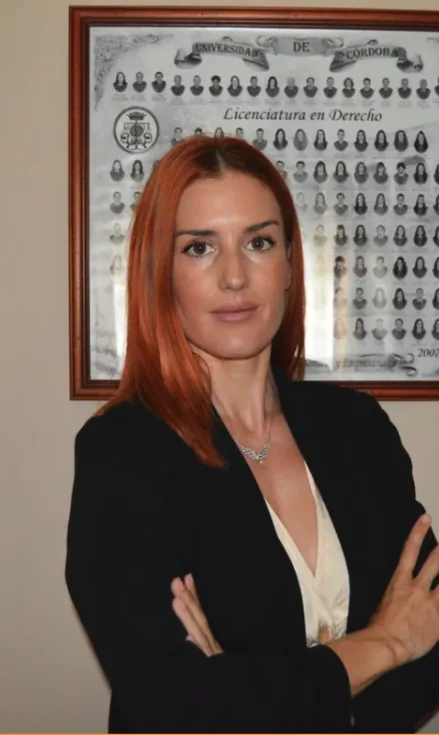
"For the solo retiree this is often the cleanest version of the visa — one income threshold, one policy, one set of clearances. With no dependants to fold in, the file is refreshingly simple, and my job is mainly to make sure that single income is documented beyond doubt."
— Lola Jurado · Immigration lawyer, Ilustre Colegio de Abogados de Málaga (nº 10907)
One applicant, one income threshold
The financial requirement for the non-lucrative visa is structured in two parts: a base amount for the main applicant, and an additional sum added for each accompanying family member. That base figure is set as a multiple of the Spanish IPREM (the public multi-purpose income indicator), and the family supplement is a further fraction of IPREM per dependant. The practical consequence for a single retiree is the single most important thing to understand about applying alone: you meet the base figure and stop there. There is no dependant multiplier, no spouse to fund, no per-child uplift. Your target is simply the amount required for one person.
This has a knock-on benefit. Because the bar is fixed at the individual level, a solo retiree with a modest but stable pension can often clear it comfortably where the same pension, stretched to cover a spouse as well, might fall short. Do not, however, treat the single figure as a soft target: consulates want to see it met with a margin, and durably, not just on the day of filing. For the current figures and how they are calculated, see our note on the income requirements for 2026; if that income is in dollars, also check which exchange rate converts it against the euro threshold. If your situation is really a staged household move rather than a true solo move, compare the structure in our guide to applying alone or as a couple. And if you are moving with a long-term partner but are not married, read the separate guide to the non-lucrative visa for unmarried couples, because two financially independent partners may each file as their own principal applicant.
The pros and cons of applying alone
It is worth being honest about both sides, because the solo application has genuine advantages and a few real vulnerabilities that a couple does not share.
- Lower financial bar. One person's threshold, with no dependant supplement, is the lowest version of the requirement.
- A cleaner file. One income to document, one insurance policy, one criminal-record certificate and one medical certificate — fewer moving parts and fewer things to fall out of date.
- Full control of the timeline. You are not waiting on a spouse's documents or coordinating two sets of apostilles and translations.
- Single point of failure. The flip side of one income is that there is no second earner to lean on. If a single income source wobbles, there is no partner's pension to absorb it — so a savings reserve alongside the recurring income matters more for a solo applicant.
- Everything rests on you. Health, capacity and continuity of residence are all concentrated in one person, which is why insurance and a clear financial cushion carry extra weight.
None of the "softer" concerns that people sometimes worry about — whether a single person will integrate, make friends or feel isolated — are things a consulate assesses. The decision turns on resources, insurance and clearances, full stop. What is relevant to you, rather than to the consulate, is the practical business of building a life alone, which is where budgeting and housing come in below.
Documenting a single person's income
Because everything hangs on one person's finances, the quality of the income evidence is arguably more decisive for a solo applicant than for a couple who can cross-support each other. The good news is that there is only one set of documents to assemble. As a single retiree you are typically drawing on one or two of the following, and each should be evidenced from origin through to receipt.
- A pension or Social Security benefit — supported by the official award or benefit-verification letter, bank statements showing it arriving each month, and a recent tax return.
- A fixed or lifetime annuity — treated like a pension-style stream when the contract shows a guaranteed payout in your name, as explained in our note on using annuity income for the non-lucrative visa.
- Retirement-account distributions from a 401(k), IRA or similar — shown as regular, documented withdrawals rather than a static balance.
- Royalties or other residual income — useful where it is passive and documented, but it should not make the file sound like you will keep working from Spain; the separate guide to hobby, royalty and side income on the non-lucrative visa draws that line.
- A savings or investment reserve — which, for a single applicant with only one income stream, is especially valuable as a cushion behind the recurring money; if the reserve is doing most of the work, see how savings can support the non-lucrative visa without a pension. If the reserve comes from paid insurance proceeds, keep the insurer settlement letter and bank trail together and check how a life-insurance payout reads as proof of means. If that reserve includes a material crypto position, deal with the separate question of cryptocurrency as proof of means before relying on it.
The single applicant's advantage here is coherence: there is no need to reconcile two people's finances into one narrative. The whole file tells one clean story. That also means the money should read as yours, not as a promise from relatives to help later; if family support is part of the plan, check whether a sponsor's money can fund the non-lucrative visa before relying on it. For a source-by-source breakdown of which documents each type of income needs, see our guide to proving your income for the non-lucrative visa. Where documents are issued abroad, they will usually need an apostille and a sworn Spanish translation before submission.
Budgeting and housing as a single retiree
This is where solo retirement genuinely differs from moving as a couple, and it cuts both ways. On the income side, a single person needs less to live on. On the cost side, some expenses do not halve just because there is one of you — rent on a one-bedroom flat is not half the rent on a two-bedroom, utilities have fixed standing charges, and a single occupant loses the economies a couple enjoys on food, transport and household bills. Planning realistically for the "single premium" on fixed costs is part of budgeting well.
On housing, the solo retiree faces a clear rent-versus-buy choice with no partner to share the decision. Many single arrivals rent first — it preserves flexibility, avoids tying up the savings that also underpin the visa, and lets you test a neighbourhood before committing. Buying alone can make sense once you are settled, but it concentrates a large asset in one person's name, which has implications for liquidity and, later, for inheritance planning that a single owner should think through deliberately. There is no right answer, only a decision that a single retiree makes on their own terms.
| At a glance | Single retiree (solo) | Couple / with dependants |
|---|---|---|
| Income threshold | Base amount only — no dependant supplement | Base amount plus a per-person supplement for each family member |
| Income to document | One person's sources | Pooled or combined across the household |
| Health insurance | One individual policy | Family or multi-person plan |
| Clearances & certificates | One criminal-record and one medical certificate | Sets for each adult applicant |
| Fixed housing / utility costs | Not shared — a single-occupant premium applies | Shared across two or more |
| Tax filing | Individual declaration | Individual or joint (opción de tributación conjunta) |
The single retiree pays the lowest income threshold and files the leanest application — but carries the whole case, financial and practical, on one person, which is exactly why a savings cushion behind the recurring income is worth building in.
Health insurance for one
Every non-lucrative applicant must hold full private health insurance from an insurer authorised to operate in Spain, with comprehensive cover, no co-payments and no waiting periods, valid for the residence period. For a single retiree this is simply one policy for one person — generally the least expensive form of the requirement, since there is no family plan to arrange. Two points matter for solo applicants in particular.
- Cover must be genuine and complete. A travel policy or a plan with reimbursement limits, excesses or exclusions is not enough; the policy has to meet the specific standard the authorities require.
- Age and continuity. As an older solo applicant your premium reflects your age, and the cover must run continuously to match your residence — a lapse at renewal time is a problem, so it is worth aligning the policy period with the residence card cycle from the outset.
For the detail on what an acceptable policy must contain and the common pitfalls, see our guide to health insurance for the non-lucrative visa.
Tax as a single filer
Spending most of the year in Spain generally makes you a Spanish tax resident, which means declaring your worldwide income here. As a single retiree you file an individual declaration — there is no joint-return option to consider, which removes a layer of complexity that couples have to weigh. That individual filing is not necessarily disadvantageous: for a solo retiree it is simply the only path, and the personal allowances and any age-related reliefs apply to you directly.
Two areas deserve attention. First, double taxation: a pension or retirement income taxed at source abroad is usually addressed through the relevant tax treaty, which determines where each type of income is taxed and prevents it being taxed twice. Second, wealth and asset reporting: a single person holding significant assets in their sole name should understand Spain's wealth-tax rules and the obligation to report overseas assets, both of which apply to the individual. Because a solo retiree's tax position is entirely their own, it is worth getting a clear view of it before the move. Our note on the tax implications of the non-lucrative visa sets out the wider framework.
Widowed and divorced retirees
A large share of single applicants are single not by original choice but through bereavement or divorce, and their circumstances raise a specific, welcome point: survivor and derived pensions are perfectly good evidence. A widow's or widower's pension, a survivor's benefit from a late spouse's Social Security, or a court-ordered spousal maintenance arrangement can all count as recurring income for the non-lucrative visa. What the consulate looks for is not the reason the income exists but its stability and documentation; if spousal support is part of the budget, the separate test is whether the alimony order is durable enough to count as proof of income. And where a late spouse left assets in a bypass, QTIP or family trust rather than outright, what counts is the income the deed entitles you to — see using trust distributions as means when you are a beneficiary.
- Survivor pensions — evidenced with the award letter naming you as the beneficiary, bank statements showing receipt, and a tax return, exactly as any other pension.
- Documenting the transition. Where a benefit or asset passed to you on a spouse's death, having the paperwork that establishes your entitlement in your own name — rather than jointly — keeps the file clean and single-applicant throughout. If the reserve is a distributed inheritance rather than a recurring survivor pension, use the separate framework for inheritance as proof of means on the non-lucrative visa. If it is a paid life-insurance death benefit, the more precise route is documenting the life-insurance payout as applicant-owned means.
- One threshold, again. As a now-single applicant you only need to cover the individual figure, which a survivor pension plus any savings will often meet without difficulty.
For many widowed and divorced retirees, the move to Spain is a fresh start, and the visa process is more accommodating than they expect precisely because the requirement is built around one person and their resources.
The path to permanent residency alone
The non-lucrative visa is not a dead end; it is the first step on a renewable residence that leads, in time, to permanence. The initial authorisation is granted for a period and then renewed, and after five years of continuous legal residence the individual holder can apply for long-term (permanent) residence. Applying alone changes none of this: you renew in your own name, accumulate your own residence period, and reach the five-year milestone as an individual. There is no spouse whose status your own depends on, and no family unit whose continuity you have to preserve — the timeline is entirely yours.
The practical requirement across those years is continuity: maintaining sufficient resources, keeping the insurance in force, renewing on time and not spending long periods outside Spain. A single retiree has full control of all of these, which is one of the quiet advantages of going it alone. For the full application journey from first visa to renewal, our guide to the non-lucrative (retirement) visa sets out each stage. If you would like a single pair of eyes on how your solo application should be built, you can reach us via our contact page.
Frequently asked questions
Is the income requirement lower if I apply alone?
Yes. The threshold is a base amount for the main applicant plus a supplement per family member. A single retiree with no dependants only meets the base figure — there is no family multiplier on top. The amount is set as a multiple of IPREM and should be confirmed for your year and consulate.
Can a widowed or divorced retiree use a survivor pension?
Yes. A survivor's, widow's or spousal-derived pension is a legitimate recurring income and is treated like any other pension, provided it is official, verifiable and documented with an award letter, bank statements and a tax return. As a single applicant you only need to cover the one-person threshold.
Do I still need health insurance if I live alone?
Yes. Every applicant needs full private cover from a Spanish-authorised insurer, with no co-payments or waiting periods, for the residence period. Applying alone just means one policy for one person, which is the least expensive version of the requirement.
Is it harder to get the visa as a single person?
No. Consulates assess resources, insurance and clearances — not marital status or whether you might feel lonely. A solo applicant with clear finances often has a simpler file than a couple: one income, one policy, one set of certificates.
Can I reach permanent residency on my own?
Yes. The visa is renewable and, after five years of continuous legal residence, opens the door to long-term residence for the individual holder. Applying alone does not change the timeline — you renew in your own name and build your own residence period.
General information, not legal advice. Requirements for the non-lucrative visa, including the income thresholds, the treatment of survivor pensions, insurance standards and tax rules, vary by consulate and change over time; they must be confirmed for your circumstances and the office handling your application.