
An HSA feels like a small account until it is not. Many Americans used a Health Savings Account as a stealth retirement bucket: deductible contributions, investment growth and old medical receipts saved for later reimbursement. When that account passes at death to an adult child, sibling or friend who is planning a move to Spain, the question becomes whether it helps the non-lucrative visa means test.
This page is deliberately narrow. It covers a non-spouse beneficiary inheriting an HSA and trying to use the result as proof of means. It is not the same as our general guide to HSA taxation in Spain, because that page assumes the owner is alive and still holds the account. It is not the same as an inherited IRA, because there is no ten-year inherited HSA wrapper. And it is not just a generic gift or inheritance, because the HSA has a specific US death rule that changes the tax and documentation story.
On this page
The short answer Why the HSA stops being an HSA Why the net payout reads as savings The one-year medical-expense offset Why timing and receipt matter Documents to gather The Spanish tax and reporting lane At a glance Frequently asked questions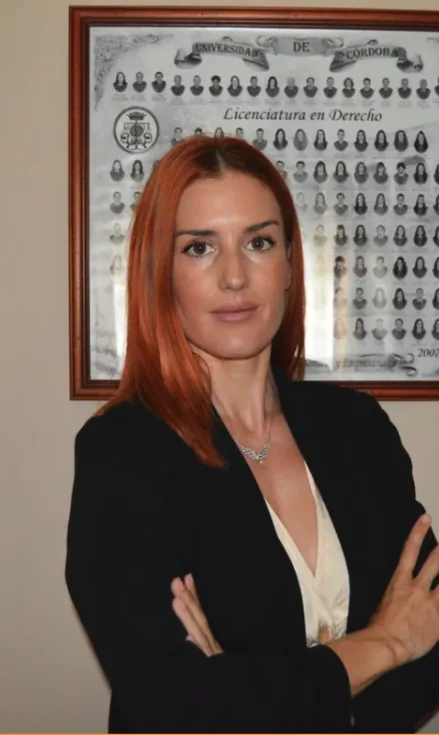
"With a non-spouse inherited HSA, the visa question is simpler than the tax question. The account does not continue as an HSA for the heir, so we do not present it as a protected medical account or as recurring income. We present the money that remains after the death process, taxes and any medical-bill payments as capital the applicant now owns, and we make the source of funds easy to follow."
— Lola Jurado · Registered lawyer, Ilustre Colegio de Abogados de Málaga (nº 10907)
The short answer
A non-spouse inherited HSA can support a non-lucrative visa file if the funds have been paid or transferred to you and the net amount is enough for the household. But the correct lane is usually savings, not income. There is no ongoing HSA income stream and no inherited-HSA account that continues for the beneficiary.
That distinction matters because the visa file should not overclaim. You are not proving a pension, annuity or recurring distribution. You are proving a finite balance that came from an HSA death benefit, with a clean source-of-funds trail. If the amount is large and settled in your account, it can be strong evidence. If it is still pending with the custodian, it is not yet means you can show.
Why the HSA stops being an HSA
US HSA death rules split sharply between spouse and everyone else. If the spouse is the designated beneficiary, the account is treated as the spouse's HSA after death. If the spouse is not the beneficiary, the account stops being an HSA, and its fair market value becomes taxable to the beneficiary in the year the owner died. That includes an adult child, sibling, friend or other non-spouse beneficiary.
This is why the page is not a duplicate of the HSA taxation guide. An owner who moves to Spain with their own HSA still has an account to classify and report, and a separate question about whether their own HSA can prove means. A non-spouse beneficiary does not inherit that same wrapper. They inherit a value that US law accelerates into income, with a narrow adjustment for certain medical bills. For immigration evidence, that value becomes a lump-sum resource once the custodian has processed it.
Why the net payout reads as savings
Spain's non-lucrative visa accepts sufficient means that are owned by the applicant and stable enough to cover the period. A completed inherited HSA payout can fit that rule as capital. The strength of the file depends on the net amount available after any medical-expense payments, withholding, tax reserve or other deductions, and on whether the balance comfortably covers the applicant and dependents with margin.
Do not try to make the inherited HSA sound like recurring passive income. There is no monthly payer and no promise the account will replenish itself. A better file says exactly what happened: the applicant was the named non-spouse beneficiary, the HSA ceased at death, the custodian paid or transferred the balance, and the resulting funds are now held in the applicant's account as savings. If you later invest the cash or put it in deposits that generate interest, that new income can be documented separately.
The one-year medical-expense offset
One technical US rule is worth planning before the visa file is assembled. For a non-spouse beneficiary, the taxable HSA amount may be reduced by qualified medical expenses of the deceased account owner if those expenses were incurred before death and paid within one year after death. In practice, this can mean that paying the decedent's final medical bills reduces the US taxable amount of the inherited HSA.
For the visa, that offset cuts both ways. It may reduce tax, but it can also reduce the cash left for your means test because money used to pay the deceased owner's bills is no longer available for your life in Spain. The consular officer is not calculating the HSA tax rule; they are looking at the net funds you still own. Keep the receipts and payment records for tax, but present the visa around the remaining balance.
Why timing and receipt matter
A named beneficiary form is helpful, but it is not the same as money in hand. If the custodian is still reviewing the claim, the estate is disputing the beneficiary, or final medical expenses are still being reconciled, the HSA is not yet a stable resource for the application. It is stronger to wait until the payment is complete, the tax position is understood, and the funds appear in your own statements.
The seasoning issue is the same one explained in the gift and inheritance proof-of-means page. A large deposit that landed last week needs a story. Here, the story can be clean: beneficiary confirmation, date-of-death value, HSA distribution confirmation and bank receipt. If time allows, let the balance sit across several statements before filing. If time does not allow, lean on the provenance documents rather than pretending the deposit is ordinary savings.
Documents to gather
Start with the custodian: beneficiary confirmation, date-of-death value, distribution statement, tax form if issued, and correspondence confirming that the account was treated as a non-spouse beneficiary case. Then show the money landing: bank statements, brokerage statements or transfer confirmations in your name. If you paid qualified medical expenses of the deceased owner within the one-year window, keep invoices, proof of payment and the calculation showing how that changed the taxable amount.
For the visa cover note, keep it short and factual. Say who died, your relationship to the owner, that you were the non-spouse beneficiary of the HSA, the gross value, what was paid for final medical expenses or taxes if relevant, and the net amount now available to you. If the documents need translation or legalisation, check the apostille and sworn-translation guide. If the balance is in dollars, use a defensible conversion method from the exchange-rate page.
The Spanish tax and reporting lane
The tax treatment should be analysed separately from the visa. For US purposes, the fair market value of a non-spouse inherited HSA is generally taxable to the beneficiary in the year of death, subject to the deceased-owner medical-expense adjustment described above. Once you are Spanish tax resident, Spain taxes worldwide income under Spanish categories, and it will not necessarily follow the US label that made the account tax-favoured for the original owner.
The timing of death, payment and Spanish residence can therefore matter. If the HSA is paid before Spanish tax residence begins, the Spanish analysis may be different from a payment received after you are resident. If the funds remain in a foreign bank or brokerage account after you move, they may also enter the Modelo 720 review and the wealth-tax review, depending on thresholds, asset type and region. Keep the immigration file clean, and let a Spanish tax adviser classify the income and asset reporting on the real dates.
At a glance
| Situation | How it reads for the visa | Best evidence or fix |
|---|---|---|
| Spouse inherits the HSA | Different case; account can continue as spouse's HSA | Use the ordinary HSA/tax planning lane |
| Non-spouse inherits the HSA | HSA wrapper ends; value becomes a lump-sum resource | Beneficiary confirmation and distribution statement |
| Claim still pending | Weak; not yet money you hold | Wait for custodian payment or build file on other means |
| Final medical bills paid within one year | May reduce taxable amount but also reduces available cash | Show receipts and count only remaining net funds |
| Net funds in your bank or brokerage | Savings; usable if sufficient and documented | Statements, source-of-funds trail and exchange-rate conversion |
| Funds invested after receipt | Capital plus possible new income | Separate original HSA provenance from later investment income |
Frequently asked questions
Can a non-spouse inherit an HSA and keep it as an HSA?
No. If the spouse is the designated beneficiary, the account is treated as the spouse's HSA after death. If the beneficiary is not the spouse, the account stops being an HSA and the fair market value becomes taxable to the beneficiary in the year the owner died. For a non-spouse there is no continuing HSA wrapper to show in a visa file.
Does a non-spouse inherited HSA count as income or savings for the visa?
Usually it should be presented as savings. The non-lucrative visa can be supported by sufficient savings, but a non-spouse inherited HSA is not a recurring pension or annuity. Once the death process is complete, the net balance you actually own can be documented as a finite lump sum, with the HSA death paperwork explaining where the money came from.
Can medical bills reduce the taxable inherited HSA amount?
For US purposes, a non-spouse beneficiary may reduce the taxable amount by qualified medical expenses of the deceased HSA owner if those expenses were incurred before death and paid within one year after death. That is a tax planning point, not a visa rule. For the visa, the officer cares about the net funds still available to you after any medical-expense payments and tax costs.
Should I apply before the inherited HSA is paid out?
Usually no, if the HSA is needed to carry the file. A pending beneficiary claim is not the same as money you already hold. It is stronger to wait until the custodian has confirmed the beneficiary treatment, paid or transferred the balance, and you can show statements tracing the funds into your own account.
What documents prove a non-spouse inherited HSA for the visa?
Gather the HSA beneficiary confirmation or custodian letter, the date-of-death value, distribution or transfer confirmation, bank statements showing receipt, records of any deceased-owner medical bills paid within one year, and a short cover note explaining the net amount that remains available for the household. Add apostilles or sworn translations where required and convert dollar values with a defensible exchange rate.
Sources reviewed July 2026: IRS Publication 969 (2025), "Death of HSA Holder", including the spouse beneficiary rule, the non-spouse rule that the account stops being an HSA and the fair market value becomes taxable to the beneficiary in the year of death, and the reduction for qualified medical expenses of the deceased account owner paid within one year after death; Spanish Ley Orgánica 4/2000 and the Reglamento de Extranjería (Real Decreto 1155/2024, in force 20 May 2025) on sufficient and stable means for non-lucrative residence and the prohibition on gainful activity; general consular practice on applicant-owned savings, source-of-funds evidence, recent large deposits and exchange-rate proof; and general Spanish residence-taxation, Modelo 720 and wealth-tax principles for US-person assets. General information only, not legal, tax, immigration, investment or medical-expense advice. Confirm current consular requirements, the IPREM value in force, exchange-rate treatment and tax consequences with qualified Spanish and US advisers before relying on an inherited HSA in a visa file.